hyden — dustin hyden, engineer and designer
i build language models from scratch, a desktop app that runs a dozen AI agents at once, and the interfaces between people and both.
i train language models from scratch on a graphics card from 2014. i run a dozen coding agents at once from a desktop app i built for exactly that. and i design the screens people actually touch.
the model
d → d2 · pytorch · kaggle · one gtx 970a tiny phi-3-style language model i'm training from zero. it reads about a billion tokens a week on kaggle's free GPUs, then comes home to chat offline on my desktop's gtx 970.
- parameters
- 205M (142M thinking)
- shape
- 20 layers × 768
- vocab
- 32,768 byte-level BPE
- context
- 2,048 → 8,192 tokens
- trains on
- 2× t4, kaggle free tier
- training speed
- ~10,400 tokens/s
- chat speed
- ~47 tokens/s on a gtx 970
- tuned with
- sft + dpo
- tools
- calculator · sandbox · apps
- reads the problem
- writes a tiny program
- a sandbox runs it
- six tries vote
- the reply must contain the result
context snake
a sliding context window you can steer. it holds 24 tokens, so every new one pushes the oldest out the back. run into yourself and it hallucinates.
click the screen, then arrows or wasd. space restarts.
the orchestra
d1g · tauri · typescript · rustone window.
every agent.
d1g is the desktop app i live in. claude code, codex, ollama, or a model running on the machine itself, side by side, each in its own folder. i hand work to one agent or a whole group, and it gets done off screen while i keep going.
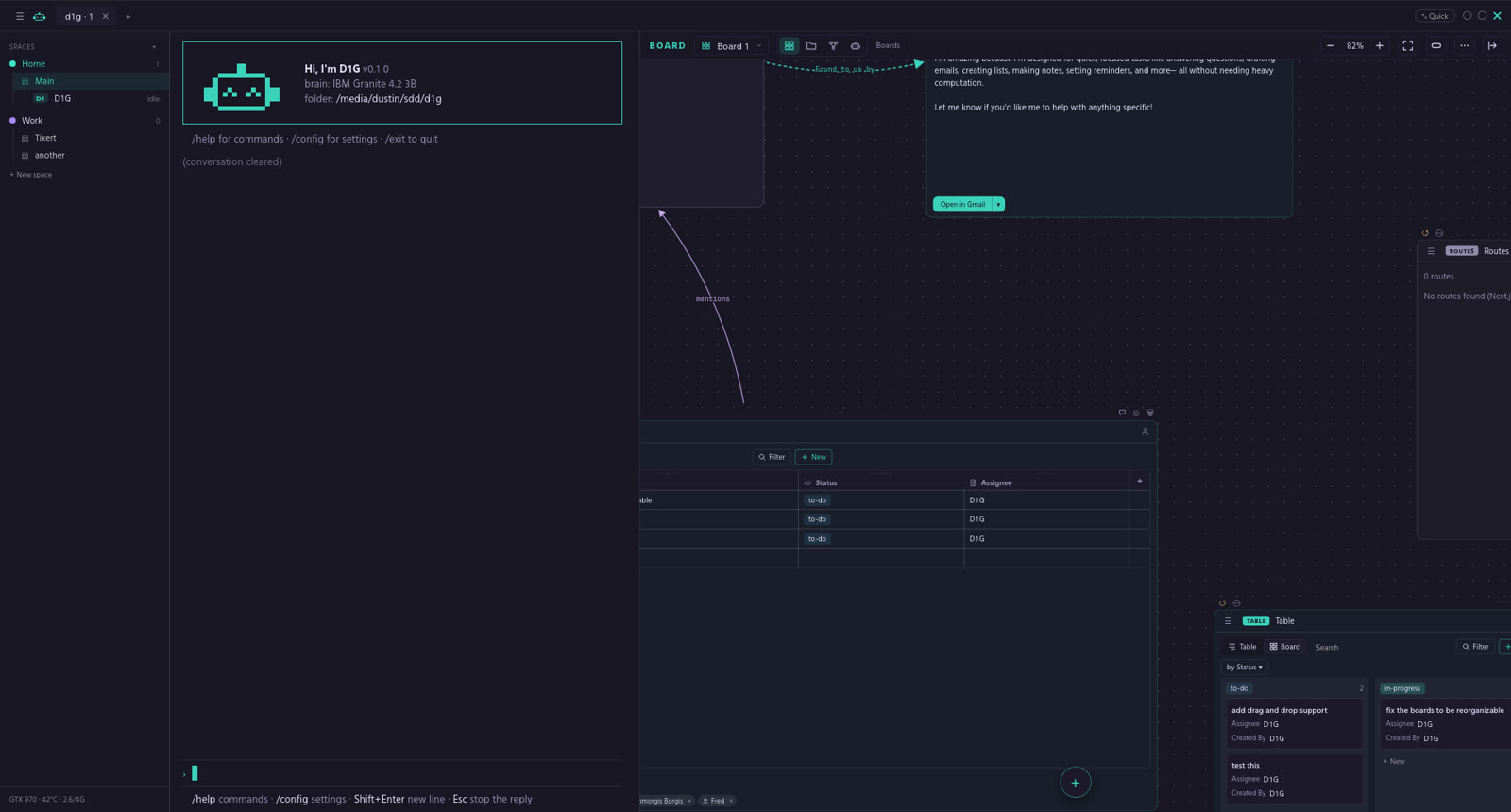
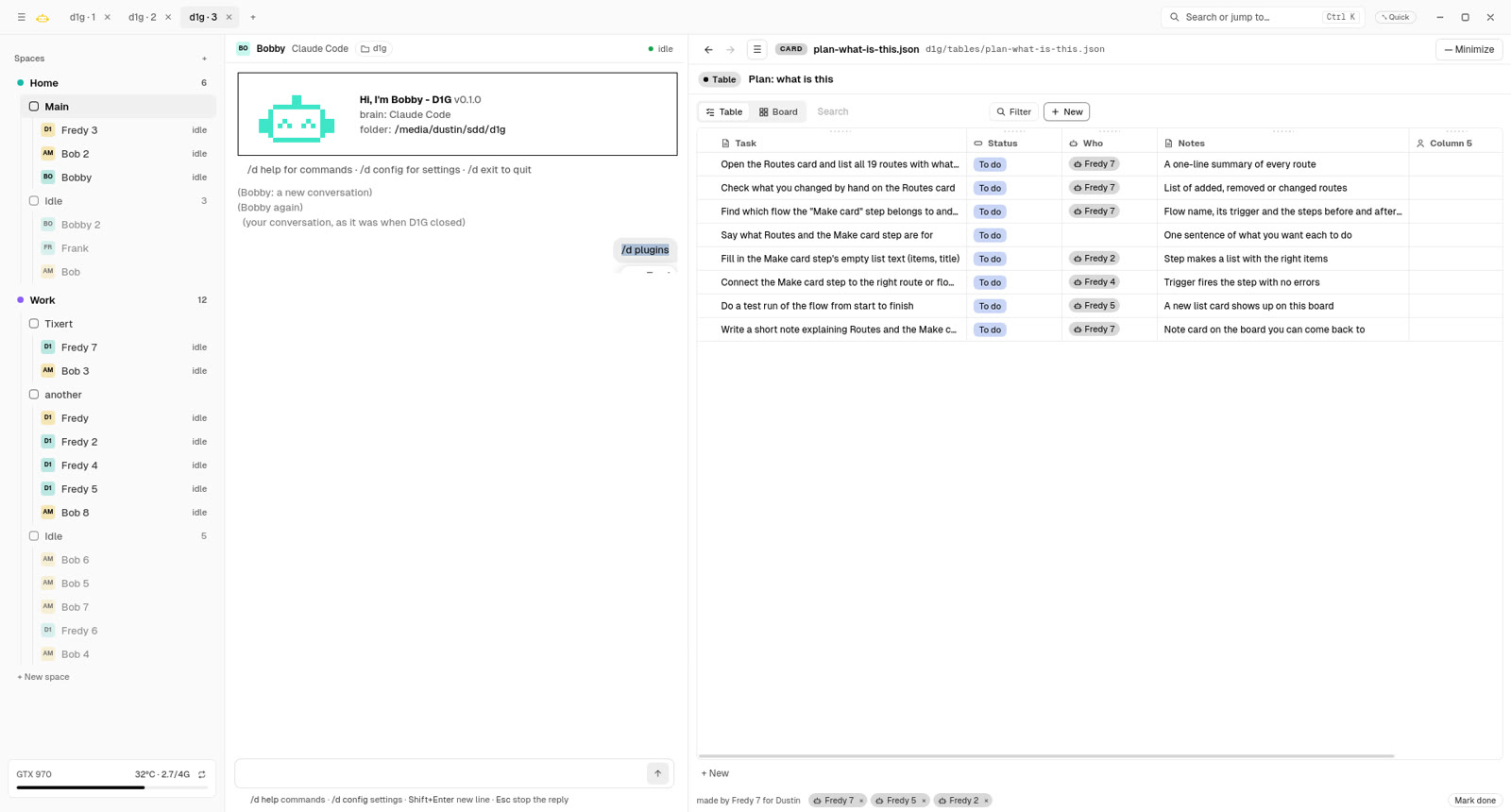
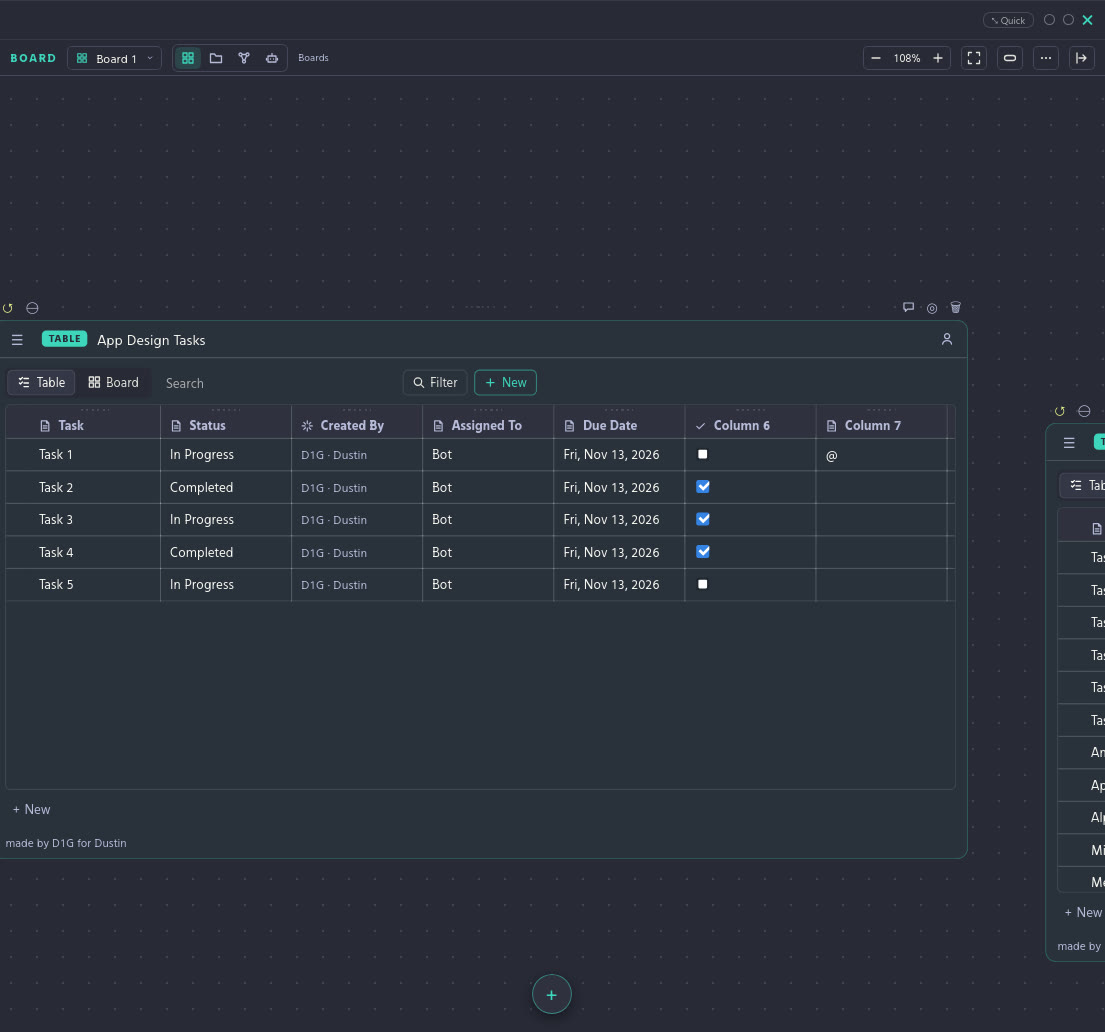
MCP,
without the guesswork.
hand a model a raw API and you've handed it a sequencing problem: it has to remember the right order on every call, forever. so i built yapi, a deterministic layer between agents and the backend. the model says what it wants done; the server decides the order, the same way every time, whether the caller is a model, curl, or a UI. it ships with its own MCP adapter.
POST /yapi
yapi: 1
items:
  - do: account.modify
  - do: order.place
every item visits every station in order; stations that don't handle its kind pass it through. the line is the contract, and it lives on the server.
d1g runs an MCP server too, so any agent can find, read and change your notes, lists and tables, then report back on the card the work came from.
herd the agents
orchestration without the orchestrator. twelve agents wander; you are the scheduler. they move away from your cursor, so steer them into the done lane.
the canvas
seat maps · 3d · motion · react, three.js, canvas 2ddraw rows. number seats. drag a section. sell it.
the seat map builder i made for tixert. before ai. venues lay out their room, group seats into sections, and give each section its tickets.
the little red figure is me.
a low-poly 3D model of me, rigged and animated for my 2023 site. there are two of him on this page: one stands on the “hyden” wordmark at the top and turns to follow your cursor; the other walks with you along the bottom of the screen as you scroll. click either one.
- idle
- run · scrolling down
- pull · scrolling up
- clicked
- knocked out · 3 quick clicks
- model
- character.glb · 1.3 MB
- made for
- hyden.ca, 2023
- texture
- a single 16 × 16 colour palette
- animations
- 5, blended over 180 ms
- on this page
- 2 copies, one WebGL renderer
- camera
- orthographic: 1 unit = 1 screen pixel
- resolution
- drawn at 42% for the pixel look
hyden house, my web studio, 2019 to 2025. sites and brands for small businesses.
the box office
tixert · co-founder & cto · 2025–
ticketing built for venues.
contracts, signatures, seat maps, recurring events, landing pages and checkout. soft-launched in canada on march 14, 2025. i'm co-founder and cto: i lead the engineering, the platform, and the tools around it.
venue radar is our in-house tool for finding venues. it grid-searches a whole city, one search point at a time, and turns what it finds into prospects for our sales. built for us, not for tixert's users.